.png)


AI in Education: Possibilities and Responsibilities
Written by: Yvonne Koh (Lead Teacher / English)

On 10 July, the Hwa Chong Institution Professional Development Committee, with the support of the Global AI Nexus for Schools (GAINS), organised a sharing by Dr Meg Rajendran from the NVIDIA AI Technology Center. The session brought together HCI staff, colleagues from more than 20 schools, and students from the Science and Mathematics Talent Programme (SMTP), who also served as ushers for the event.
The sharing offered a timely look at how artificial intelligence is evolving and what this could mean for schools. Dr Rajendran introduced participants to the shift from chatbots to AI agents, which can go beyond answering questions to supporting workflows, connecting with tools and carrying out tasks. She also shared how NVIDIA NeMo™ could support areas such as transcription, translation and student support, while NVIDIA Omniverse™ and digital twin technologies could create realistic simulations for STEM learning and robotics.
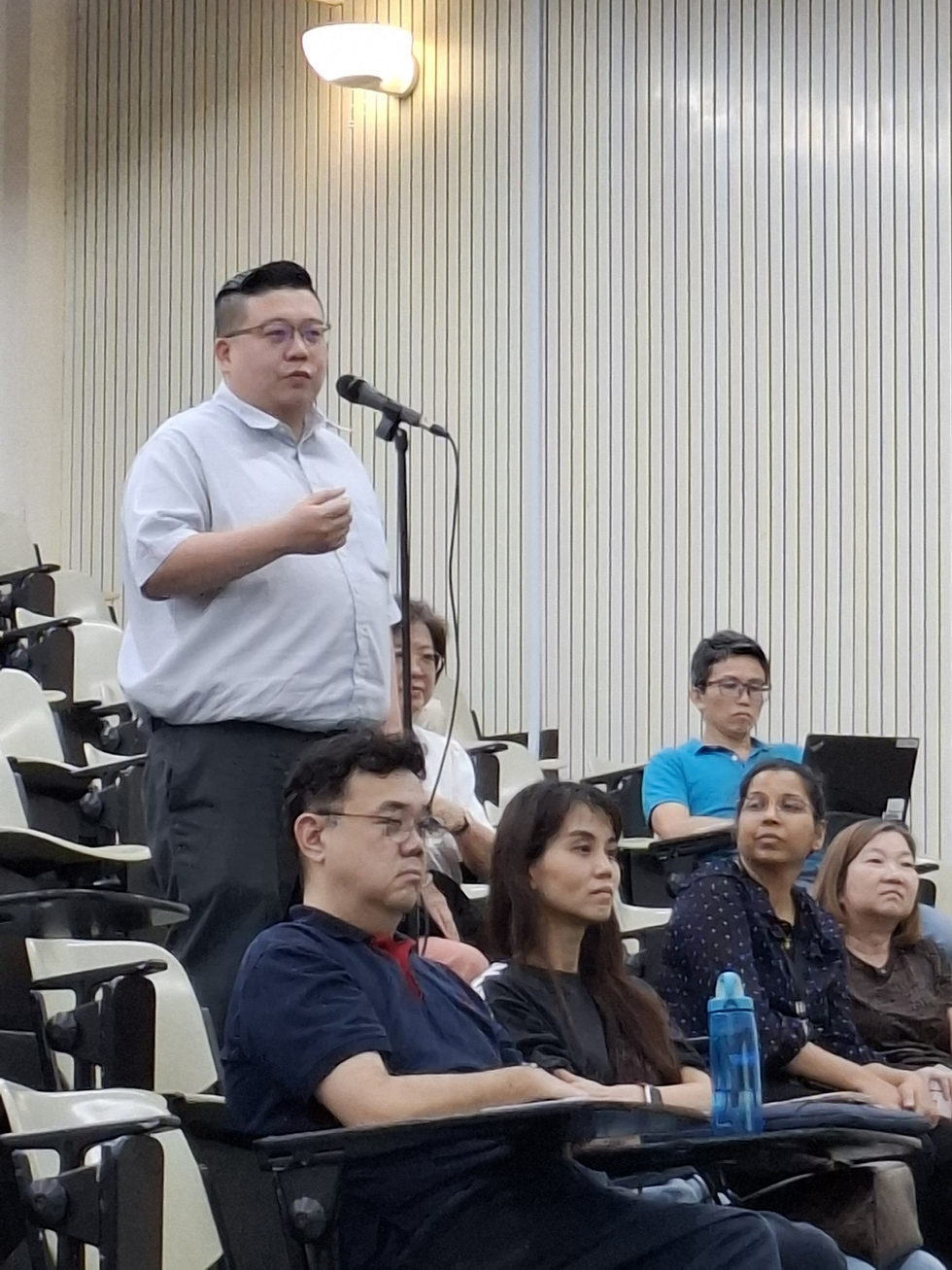
A key emphasis of the session was responsible adoption. AI in education cannot be about convenience alone. It must be designed with privacy, consent, reliability and accessibility in mind. More importantly, educators must remain meaningfully involved so that AI supports learning without replacing the thinking, guidance and relationships that are central to education.
The session also highlighted that effective AI tools must understand the contexts in which they are used. For schools in Singapore, this includes local accents, classroom needs and the diverse ways students learn and communicate. If thoughtfully applied, AI can make learning more accessible and help teachers support students more effectively.
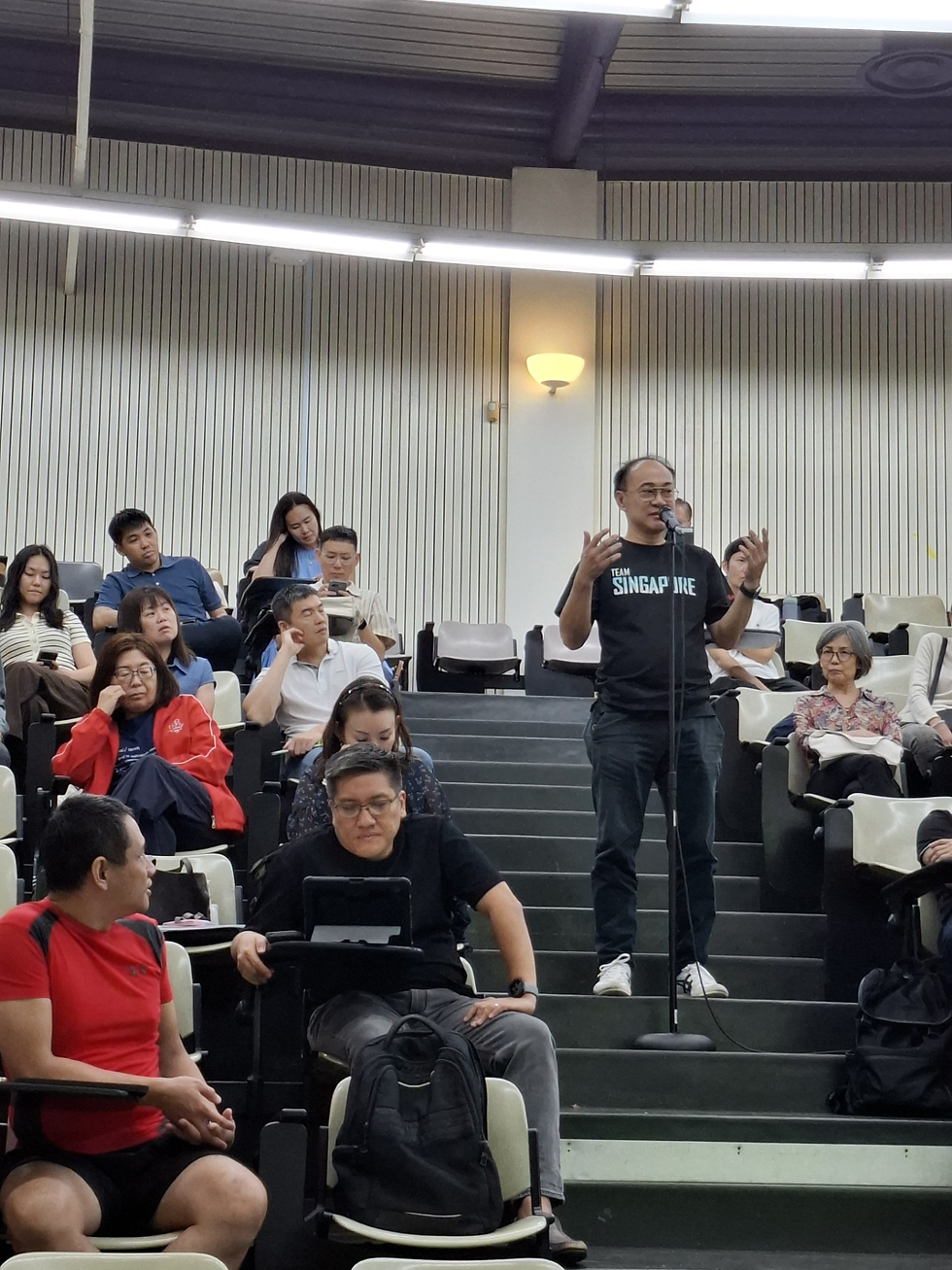
As part of Hwa Chong’s ongoing efforts to strengthen professional learning in AI, the Professional Development Committee continues to work alongside GAINS to create opportunities for educators to engage critically with emerging technologies. More than simply introducing new tools, these efforts encourage teachers to consider when and how AI can genuinely add value to learning and teaching. The real question is not how much AI we can use, but how thoughtfully we can use it to strengthen learning, preserve human agency and prepare students to navigate the future with confidence and responsibility.


